The Situation: Opportunity Assessment How do we design for empathy in the wake of a global pandemic?
The challenge
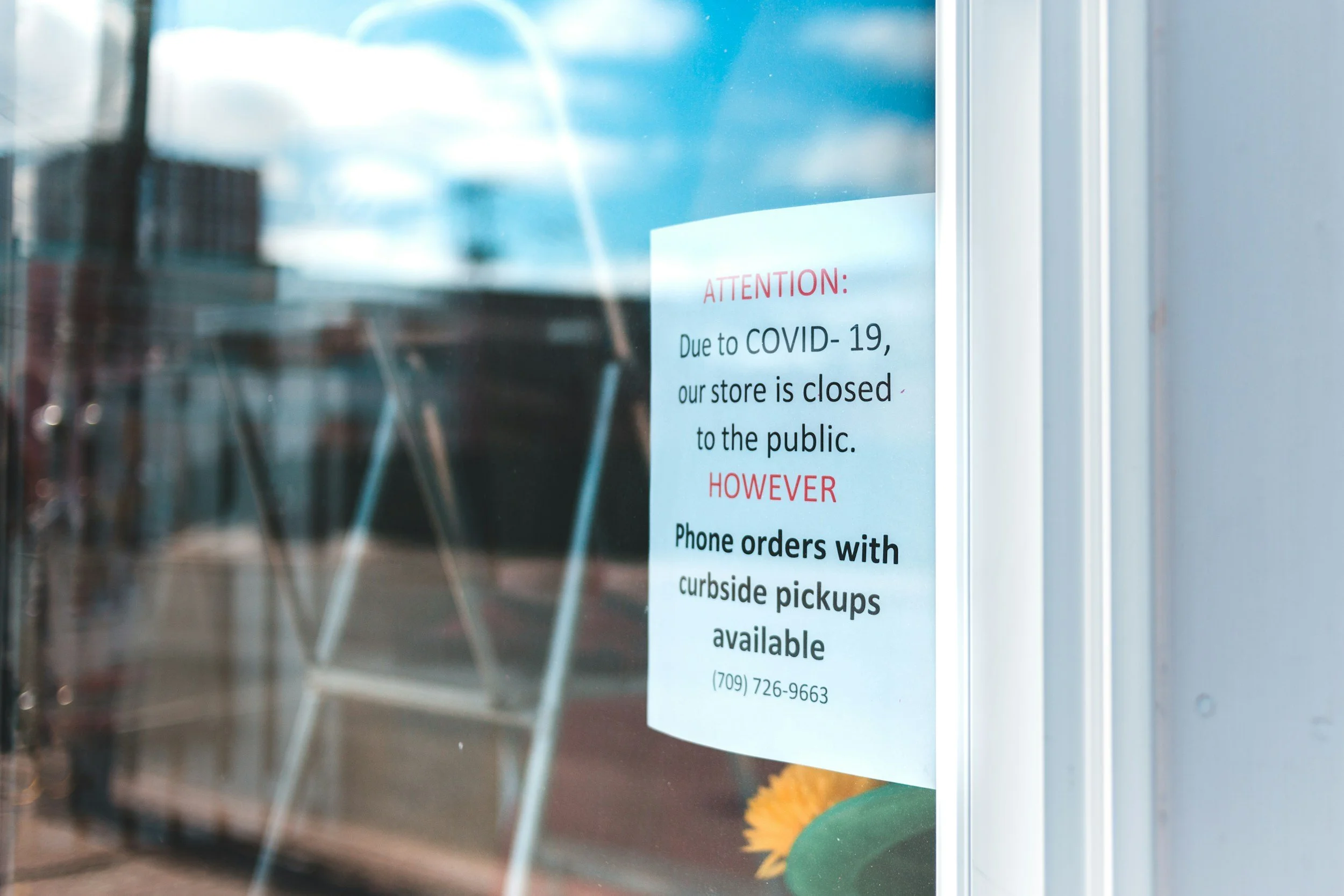
Client needs a redesigned product to collect payments from delinquent accounts during the COVID-19 pandemic.
When consumers do not pay their credit cards on time, their accounts are eventually sold to collections.
This is a situation that financial institutions and customers want to avoid.
If we create an experience that encourages consumers to stay on top of their accounts and pay off what they can, it will prevent their accounts from ending up in collections. This also means the client is more likely to receive payment.
#1 To understand the experiences of people with delinquent accounts during the pandemic.
#2 To maintain strong relationships between the client and customer.
#3 To implement features that benefit the client (getting unpaid accounts paid) and the customer.

Research Plan and Timeline
In-depth interviews to better understand the experiences of having a delinquent account
Unmoderated usability test
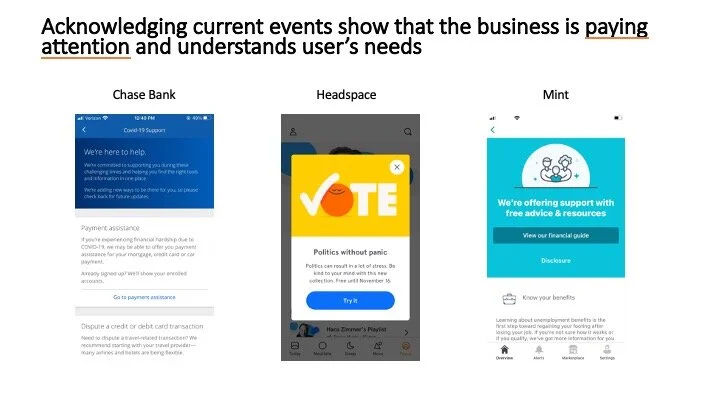
Competitive analysis of how other brands are communicating to customers during the pandemic
Timeline: ~6 weeks
The Target Audience
Who should we talk to for this project?
Users who have had a delinquent account or a credit card past due. We also wanted to keep the income bracket open, since the client tends to attract an audience from a higher income demographic
Ages: 25-40
Some college education
$50,000- 200,000+
What did we learn?

In-Depth Interviews & Competitive Analysis
Shame can breed lack of action and users could fall even deeper in debt.
Because of these negative emotions, users said they avoid looking at their accounts with late payments.
Many times, users missed payments due to emotionally-draining circumstances (divorce, medical issues, job loss, etc.).
Participants expressed they were more likely to stay loyal to a brand if they showed empathy during troubling times.

How did the research make an impact on the user?
By providing a self-service option (no need to talk to a stranger about your situation) and resources to keep themselves up to date, users were better set up for success.
I worked hand-in-hand with product designers to create a full view of the user’s credit summary (which accounts to watch closely, late payments, and paths to make payments on the accounts with the most impact on their credit).
Results
Client accepted the redesign and moved forward with our recommended changes with their design team
Continued a strong client relationship and accepted additional work with them for other products
What I would have done differently: Incorporated a quantitative element to dive deeper into the connection between brand loyalty and navigating difficult milestones.